
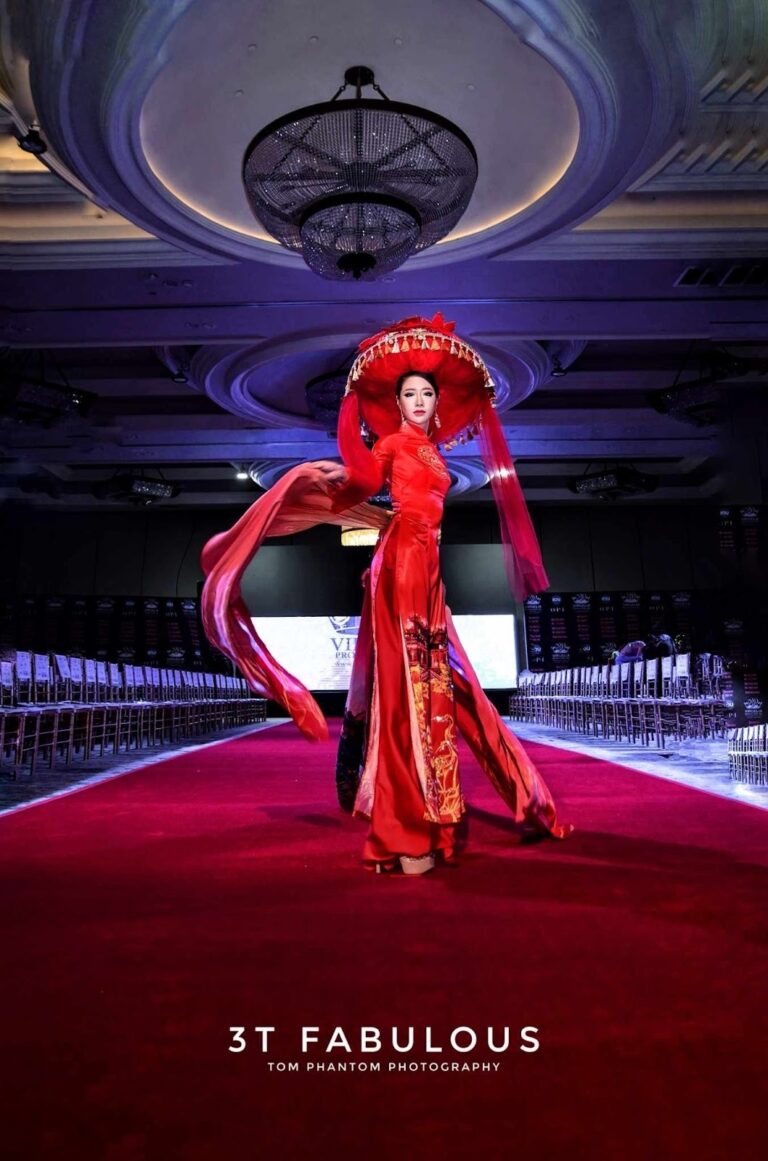
For Tiffany Chang, fashion is more than style—it is a platform for culture, identity, and representation. Crowned Miss Asia USA 2024, she has walked runways across Tokyo, Los Angeles, San Jose, San Diego, and Miami, using fashion to celebrate the diversity and strength of the AAPI community.
Throughout her career, Tiffany has collaborated with designers whose work reflects cultural heritage and artistic excellence, including Kenneth Barlis, Will Franco, David Tupaz, Kiki Wang, Tommy Le, Viktorya, Bon L’ete, and Alexis Monsanto. From Tokyo Fashion Week and Los Angeles Fashion Week to Miami Swim Week and the Áo Dài Festival, each runway has become an opportunity to showcase fashion as a bridge between cultures.
Often selected to close fashion shows, Tiffany is recognized for her calm presence and ability to embody a designer’s vision. As a finale model, she leaves audiences with a lasting impression, representing elegance, confidence, and the growing global influence of the AAPI community.
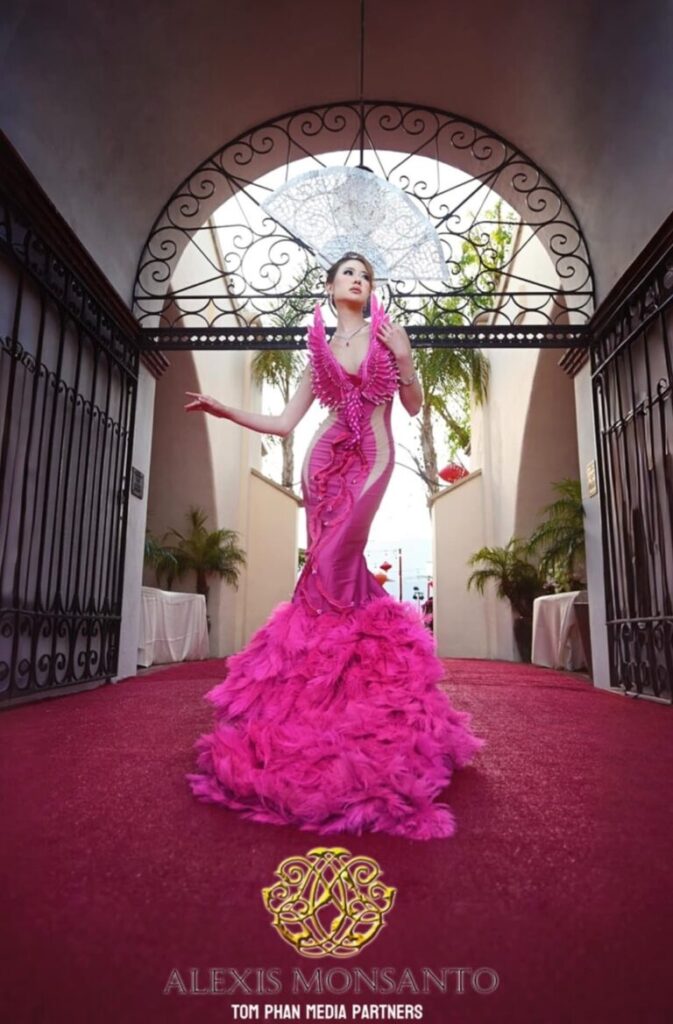
Beyond the runway, Tiffany has appeared in editorials for Vogue, Harper’s Bazaar, Grazia, L’Officiel, Marie Claire, and Elle. She believes visibility carries responsibility, inspiring the next generation to embrace their identity with confidence.
“Fashion is not just about what you wear,” Tiffany says. “It’s about what you stand for when you walk into a room.”
For Tiffany Chang, fashion is a form of soft power—an influence built through culture, presence, and storytelling. By connecting Filipino, Vietnamese, Japanese, and Asian American communities, she demonstrates that fashion can do more than create beauty; it can build understanding, celebrate identity, and inspire lasting change.
 Don Hậu: From founding Don Jewelry to developing 89 Barber Shop
 Tommy Le: Heritage of Origins – Old Homeland
 Claudio Barbieri: Redefining Beauty, From Saigon to Milan
 Claudio Barbieri Academy
 Tommy Le: The Designer Who Honors the Beauty of Vietnamese Culture
 Will Franco: Designing Dreams from Los Angeles with Mexican Soul
 Claudio Barbieri Leads Vietnam’s Rising Models to Rome
 Top Model Thanh Thuy Won First Prize at the NMODEL Finale Internazionale 2025
 Electrifying Fashion: Claudio Barbieri × Lorenzo Marcucci 2025
 Vanessa Vu Tuong Van promotes “Pho Long Den 2025” in Ottawa
 Nam vương Việt Hoàng: Đại sứ 137 HN Nest, hình mẫu người đàn ông Việt hiện đại


